- Liquid fuel for future computers
- Global standard for street light products
- Panasonic capacitors handle high temperatures
- Plastic electrode stretches like rubber but carries electricity like wires
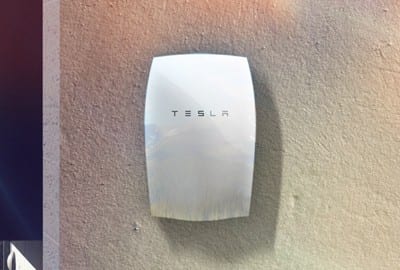
Solar power advocate, CSR Bradford, says that six in every ten customer enquiries in the first few months of sales are requesting to utilise their existing solar panels with the new Tesla Powerwall.
Approximately 1.5 million Australian households already have solar panels. CSR Bradford’s retrofit solution now offers these homeowners the opportunity to upgrade their existing systems, transforming the way they store and consume energy.
“Since launching in Australia, we’ve had enormous interest in the Tesla Powerwall,” says Anthony Tannous, Executive General Manager of CSR Bradford. “Around 60 percent of initial enquiries have been from existing solar owners who want to upgrade their current system to include the Tesla battery. “Until now, there have been few suppliers providing Australian homeowners with the option to do this. CSR Bradford has partnered with SolarEdge to provide existing solar owners with the missing piece of their energy solution.”
Existing solar users who have already taken charge of their energy use, currently enjoy free energy during the day. By upgrading their system with the installation of a Tesla Powerwall, they now have the power to store the electricity generated by their solar panels to run their home at night.
A typical Australian house consumes around 21 kilowatt hours (kWh) per day. Tesla Powerwall is capable of storing 6.4kWh per day, which is enough to help support an average home’s evening energy usage.
CSR Bradford anticipates even more enquiries from existing solar users as the 2016 end-dates for selected feed-in tariffs in Victoria and New South Wales and South Australia loom.
“For many home owners, government-led rooftop solar feed-in tariff programs have provided significant financial incentives for installing solar systems. With these programs now coming to a close many residents will be looking to save and store their own-generated energy, rather than selling it back to the grid.
“For example, residents in New South Wales had the potential to receive $0.60/kWh, allowing them to effectively offset much of the cost of their solar investment. When the feed-in tariffs end in December, they will receive as little as $0.06/kWh from energy shared back to the grid,” says Tannous. “A family in Sydney using a 5kW solar PV system and consuming most of their energy at night could save up to $1,390 per annum with the battery installed. Those with a PV system and no battery would save just $806.”